

We look for the WHY
We treat the cause, not the symptom.
We go deeper.
We contain distress.
Welcome to Gymea Lily Psychotherapy Centre (GLPC)
Gymea Lily Psychotherapy Centre offers a number of psychological services for both children and adults.
Our team includes clinical psychologists, psychologists, and psychoanalysts.
We are located in Kirrawee in the Sutherland Shire.
We have onsite parking for our clients and are located 100m from Kirrawee Train Station.
If you would like to find out more about our services, please phone our office between 9 am and 5 pm weekdays on 02 9545 4772 and speak to our friendly intake psychologists. Or follow the links below and we will get back to you.
Read more about Gymea Lily Psychotherapy Centre here.

Helpful Quick Links
-
![Referral Process]()
Referral Process
-
![Our Team Quick Link]()
Our Team
-
![Fees & Medicare Quick Link]()
Fees & Medicare
-
![Psychology Services Quick Link]()
Psychology Services
-
![Psychoanalytic Psychotherapy Quick Link]()
Psychoanalytic Psychotherapy
-
![Child Play herapy Quick Link]()
Child Psychotherapy
-
![Group Therapy Quick Link]()
Group Therapy
-
![Frequently Asked Questions Quick Links]()
Frequently Asked Questions

How to make an appointment
About Us
Gymea Lily Psychotherapy Centre is a psychological practice with a difference. We not only offer cognitive behavioural interventions but can also help with relational and deeper issues. In addition we see infants and their parents to help parents with the task of managing their new responsibilities.
Gymea Lily Psychotherapy Centre is designed to be a centre of excellence where people can be assured they will get the best service for their needs. As we are not constrained by policies and budgets like public area health services are, our clinicians can offer the most ideal treatment for presenting problems.
We offer a place where long term psychotherapy is still appreciated and able to be provided by clinicians who are highly qualified and trained in this approach. Long term psychoanalytic psychotherapy is not a simple rational approach, but rather emphasises work with the inner aspects of a person. Especially irrational thoughts and feelings, and less explainable symptoms such as physical ailments that seem to have no apparent cause, can be dealt with.
The centre is set up as a specialty centre to offer therapy to children with a special play therapy room. We see children that need more input than the short-term work offered elsewhere.
Lastly, we offer long-term psychotherapy as part of our group analytic psychotherapy group. This enables people who cannot afford individual sessions to work on themselves long term at a manageable rate.

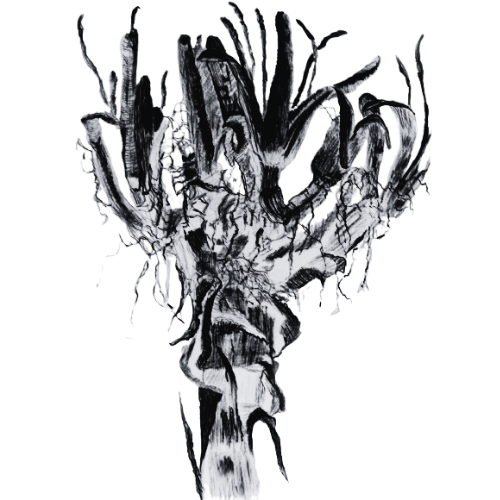
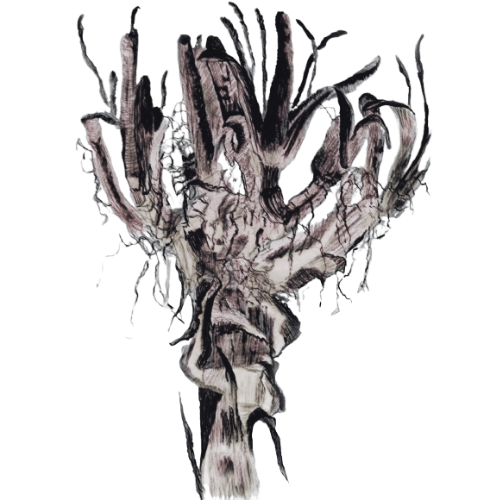
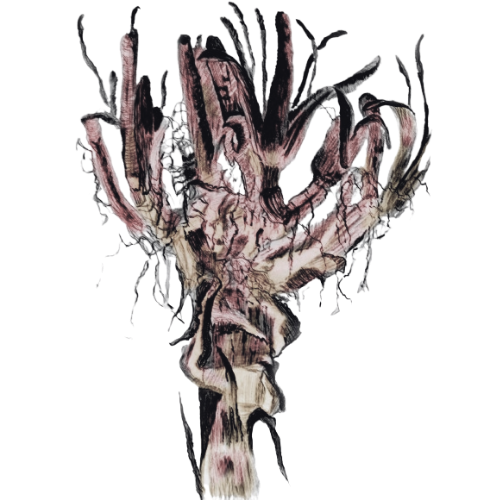
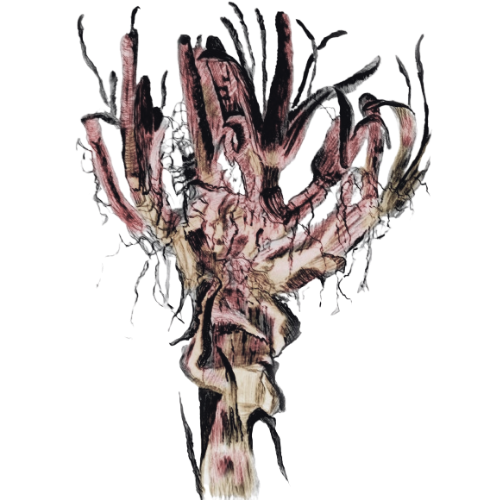
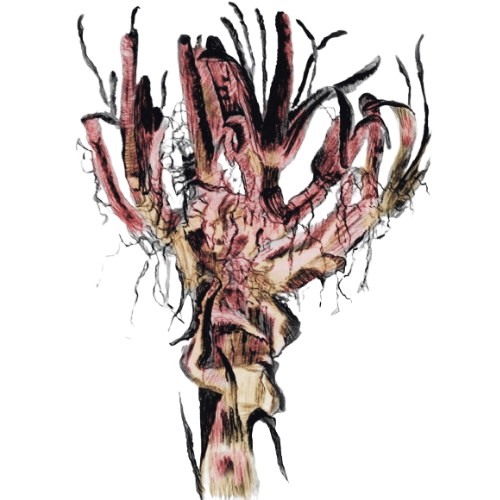
Artwork by Belinda Allen
Frequently Asked Questions
We understand that starting therapy can bring up many questions. This section is designed to provide clear and practical information about how therapy works, what to expect, and how to get started at Gymea Lily Psychotherapy Centre.
If you can’t find the answer you’re looking for, our team is always happy to help—please feel free to contact us directly.

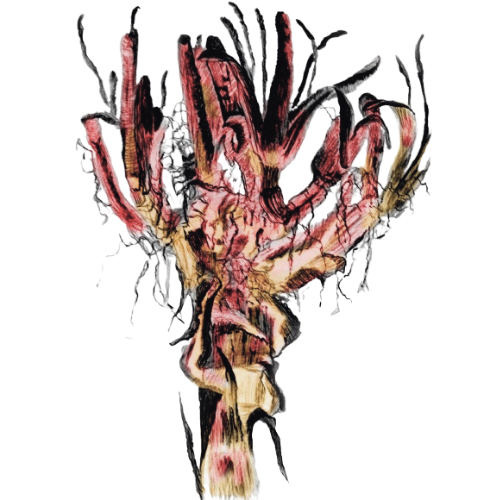
Artwork by Belinda Allen
Therapy at Gymea Lily Psychotherapy Centre
At Gymea Lily Psychotherapy Centre, we offer a range of therapeutic approaches to support children, adolescents, adults, couples, and families. Our work is grounded in creating a safe, respectful, and non-judgemental space, where people can explore their experiences at a pace that feels manageable and meaningful.
As we have a number of clincians, each work with different models of care. Some of our therapists are informed by psychodynamic and psychoanalytic approaches, which gently explore deeper emotional patterns, early experiences, relationships, and unconscious processes. This reflective work supports lasting insight, greater self-understanding, and meaningful, long-term change. Our clinicians offer psychoanalytic psychotherapy, psychodynamic psychotherapy, attachment-focused therapy, play therapy for children, and Group Analysis.
Alongside the longer-term therapeutic work, we also offer trauma-informed therapy and approaches that focus on practical strategies, symptom relief, and building everyday coping skills. These include Cognitive Behavioural Therapy (CBT), Acceptance and Commitment Therapy (ACT), Dialectical Behaviour Therapy (DBT), Schema Therapy, skills-based and psycho-educational interventions, and family and parenting support.
Some people come to therapy for short-term support around a specific challenge, while others choose longer-term therapy to work through deeper or more complex concerns. Therapy is a deeply personal and evolving process. It is not always linear, but unfolds over time through reflection, understanding, and growth. At times, progress comes through difficult but important realizations that lead to lasting change and renewed ways of relating to oneself and others.
We also offer professional supervision, including supervision for psychologists, clinical registrars, and clinicians seeking professional or group analytic supervision.

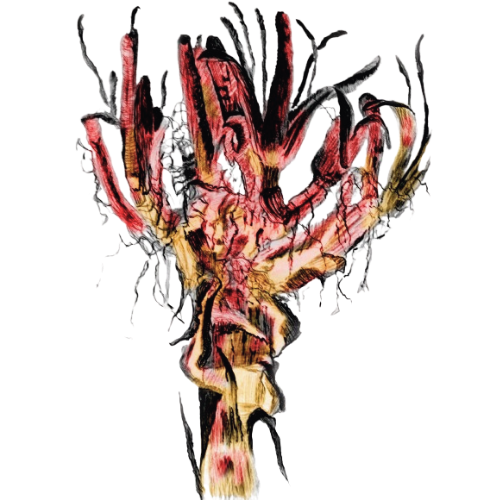
Artwork by Belinda Allen
Get In Touch
If you still have questions or thoughts, don’t hesitate to reach out. We will endeavour to respond within 24 - 48 hours. If you are a new client and you wish to make an appointment you can also fill out our referral form here.