
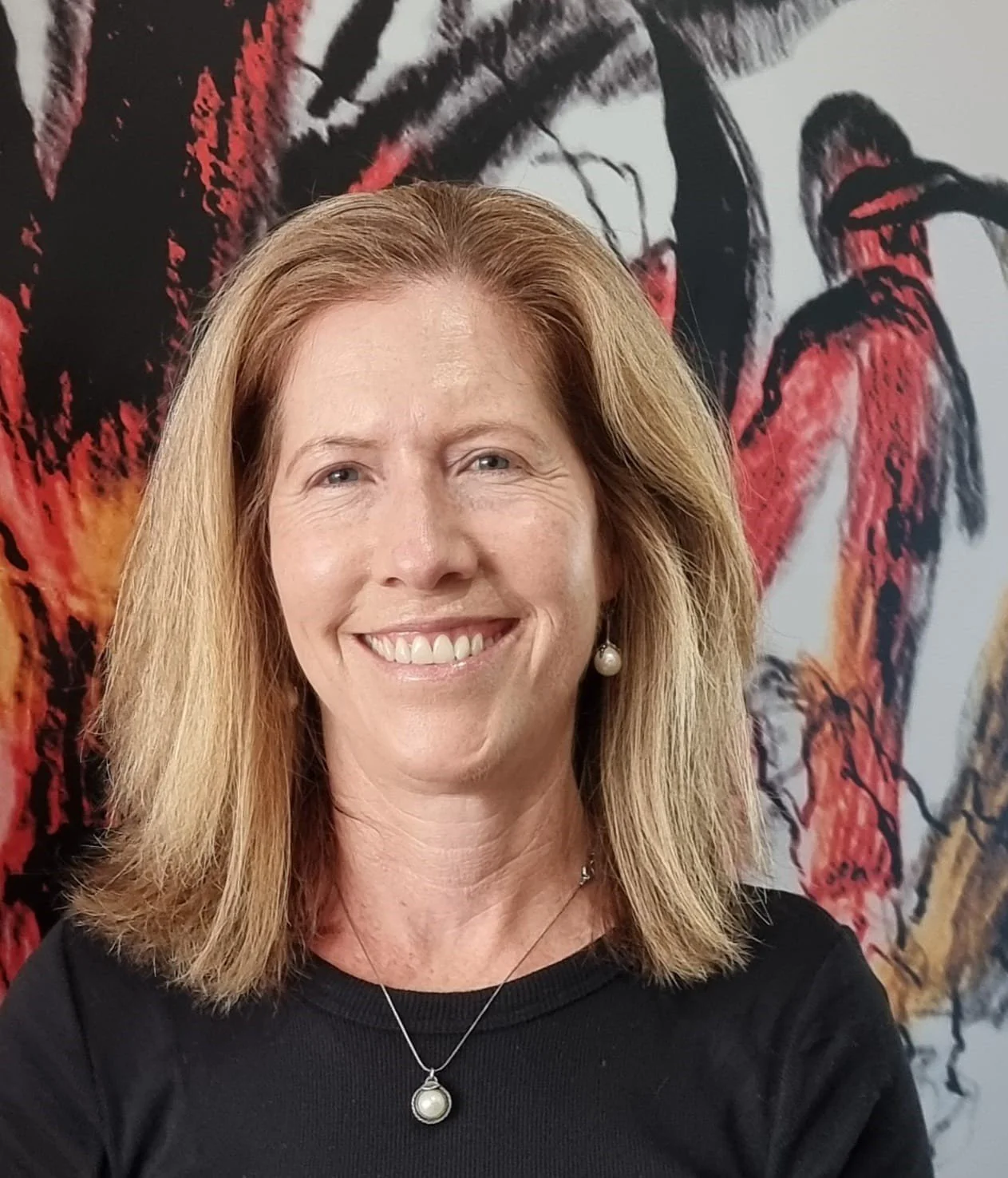
Helen Scott
Psychologist
Registered Psychologist
Bachelor of Arts (English & Psychology) – University of Sydney
Master of Arts in Psychology – University of Sydney
Board Approved Psychology Supervisor
Full Member – Australian Psychological Society
Member – Association for Family Therapy
Cognitive Behavioural Therapy (CBT), Interpersonal Psychotherapy (IPT), Acceptance and Commitment Therapy (ACT), Dialectical Behaviour Therapy (DBT), Narrative Therapy and Solution-Focused Therapy, Family Therapy, Trauma, Attachment, Domestic Violence, and Drug & Alcohol
Graduate Certificate in Professional Writing – Deakin University
About
Helen is a Registered Psychologist who has been part of Gymea Lily Psychotherapy Centre since 2012. With over 30 years of experience across Australia and the United Kingdom, she brings a thoughtful, warm, and deeply informed approach to her work with individuals and families.
Helen works with adolescents, adults, couples, and families, and has experience supporting clients with anxiety, phobias, trauma, attachment difficulties, and the impacts of bullying. She has a particular interest in working with older adolescents and young adults, helping them navigate identity, relationships, and life transitions.
Her therapeutic approach is flexible and collaborative. Helen integrates a range of evidence-based therapies, including Cognitive Behavioural Therapy (CBT), Interpersonal Psychotherapy (IPT), Acceptance and Commitment Therapy (ACT), Dialectical Behaviour Therapy (DBT), as well as narrative and solution-focused approaches. She also has significant experience supporting clients affected by trauma, eating disorders, and emotional, physical, and sexual abuse.
Helen has a strong background in family therapy and systemic work, having worked in the United Kingdom as a systemic psychotherapist within the Multidimensional Treatment Foster Care Program. She continues this work in Australia, including her role supporting young people in Out of Home Care.
Across her career, Helen has worked in a variety of settings, including community services and youth-focused organisations such as Boys’ Town Engadine and the Manly Youth Centre. She has also delivered therapy and support for families navigating complex challenges, including domestic violence and substance use.
In addition to her clinical work, Helen is a Board Approved Psychology Supervisor, supporting and mentoring other psychologists in their professional development.
Helen brings warmth, insight, and genuine care to her work, creating a safe and supportive space where clients can feel understood and work towards meaningful change.
Alongside her clinical interests, she has a passion for creative writing, reflecting her broader interest in storytelling and personal expression.