
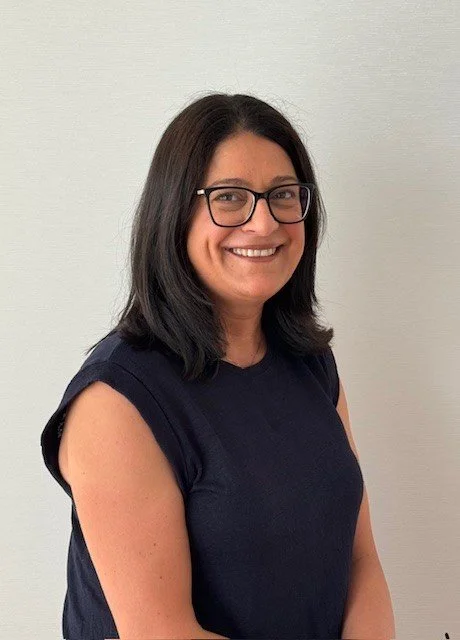
Jackie Joukhador
Clinical Psychologist
Master of Clinical Psychology – Charles Sturt University
Master of Arts in Psychology – University of Sydney
Training in Cognitive Behavioural Therapy (CBT)
Acceptance and Commitment Therapy (ACT)
Interpersonal Psychotherapy (IPT)
Registered Worker’s Compensation (WorkCover) Provider
Medicare Registered Provider
Member – Australian Psychological Society
Member – Australian Clinical Psychology Association
About
Jackie is a highly experienced Clinical Psychologist with over 25 years of experience supporting adults and adolescents across a range of mental health settings. She is known for her thoughtful, practical, and compassionate approach, helping clients feel understood while working towards meaningful and lasting change.
Jackie holds a Master of Clinical Psychology from Charles Sturt University and a Master of Arts in Psychology from the University of Sydney. Alongside her clinical work, she has contributed to the field through publishing research in academic journals, reflecting her strong foundation in evidence-based practice.
She has extensive experience working with individuals experiencing anxiety, depression, and complex mental health difficulties, particularly in clinical and community mental health settings. Jackie has also worked with people experiencing problem gambling, bringing both research and therapeutic insight to this area.
Jackie is trained in Cognitive Behavioural Therapy (CBT) and integrates other evidence-based approaches such as Acceptance and Commitment Therapy (ACT) and Interpersonal Psychotherapy (IPT). Her approach is collaborative and flexible, tailored to each individual’s needs, goals, and pace.
She works with adults and adolescents, creating a supportive and non-judgemental space where clients can explore challenges, build resilience, and develop practical strategies for managing life’s difficulties.
Back to Our Team