
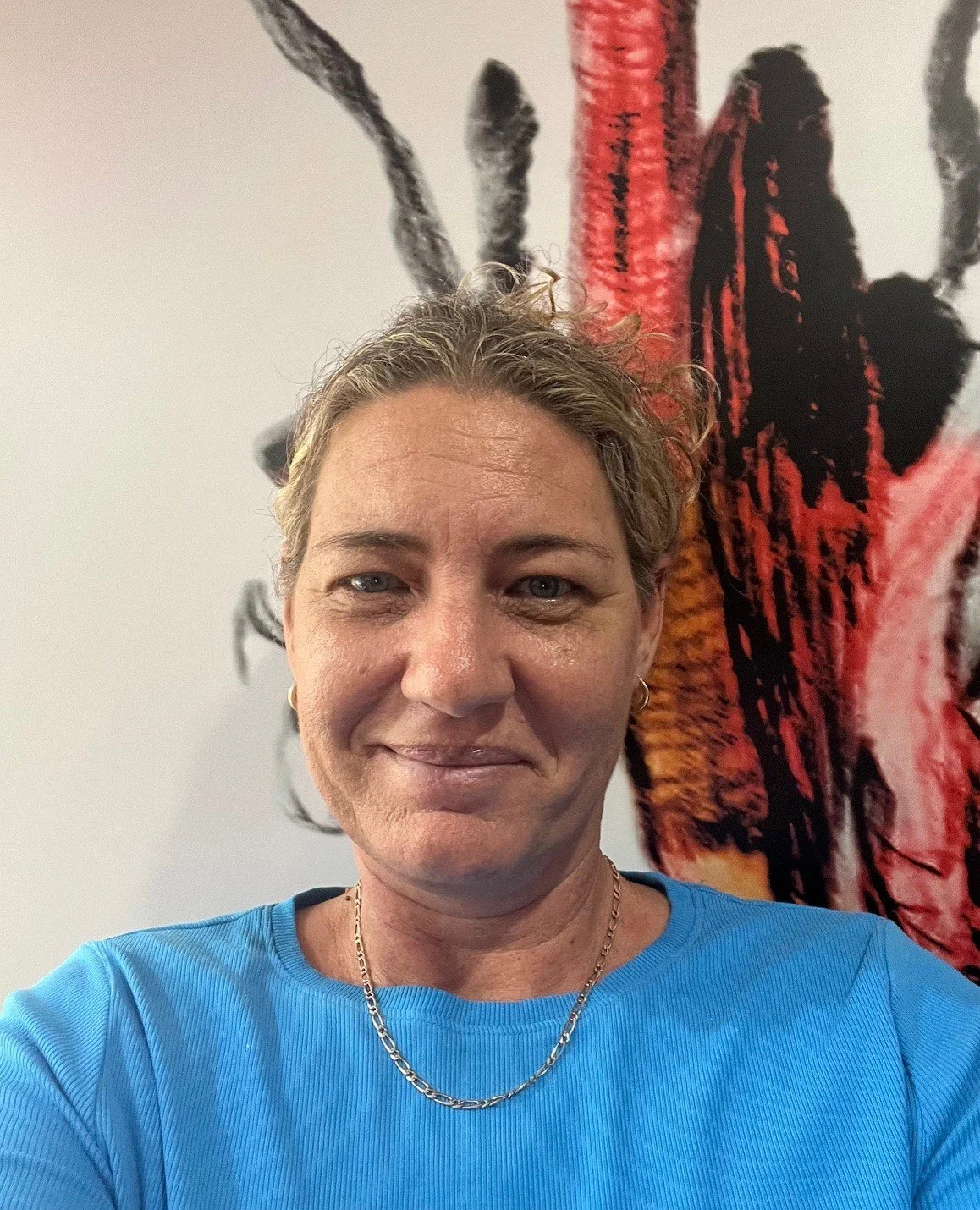
Melissa Bedwell
Psychologist
Bachelor’s Degree in Psychology – University of New England
Postgraduate Diploma in Psychology – University of Queensland
Registered Psychologist
Bachelor of Education
Endorsed in Special Education (Teaching)
About
Melissa is a Registered Psychologist who has been part of Gymea Lily Psychotherapy Centre since 2009. She works with children, adolescents, and adults, offering a practical, compassionate, and down-to-earth approach to therapy.
Melissa supports clients across a wide range of concerns, including anxiety, depression, trauma, sleep difficulties, personality disorders, addiction (drug, alcohol, and gambling), eating disorders, and financial stress. She also has extensive experience helping individuals manage chronic illness, including Myalgic Encephalomyelitis (ME)/Chronic Fatigue Syndrome (CFS) and chronic pain, bringing both understanding and practical support to these complex conditions.
Her background is diverse, with experience in mental health, education, and rehabilitation settings. Melissa has worked as a Psychiatric Rehabilitation Support Worker, supporting individuals with major mental health conditions.
Melissa also brings a unique perspective through her involvement in elite-level sport, with experience in both performance psychology and adjustment after sport, supporting individuals through identity changes and life transitions.
Before joining Gymea Lily, she worked as a teacher across Kindergarten to Year 12, including in special education. This experience informs her strong skills in child and adolescent counselling, family work, and educational assessment, as well as her ability to work closely with families and support systems.
Melissa works collaboratively with her clients, tailoring her approach to their individual needs and goals. She offers support with career and vocational assessments, relationship and family challenges, and building practical strategies for everyday life.
Known for her approachable and grounded style, Melissa creates a supportive space where clients can feel understood and empowered to make meaningful changes.